

Beachfront horizons, canal-front boating, and wide-open coastal living on the far western stretch of Galveston Island.
The West End of Galveston Island stretches from west of 61st Street to San Luis Pass and includes beachfront, canal-front, and bay-side neighborhoods. Known for boating access, elevated beach homes, and resort-style living, the West End attracts second-home buyers, retirees, and full-time residents seeking water-focused coastal lifestyle.
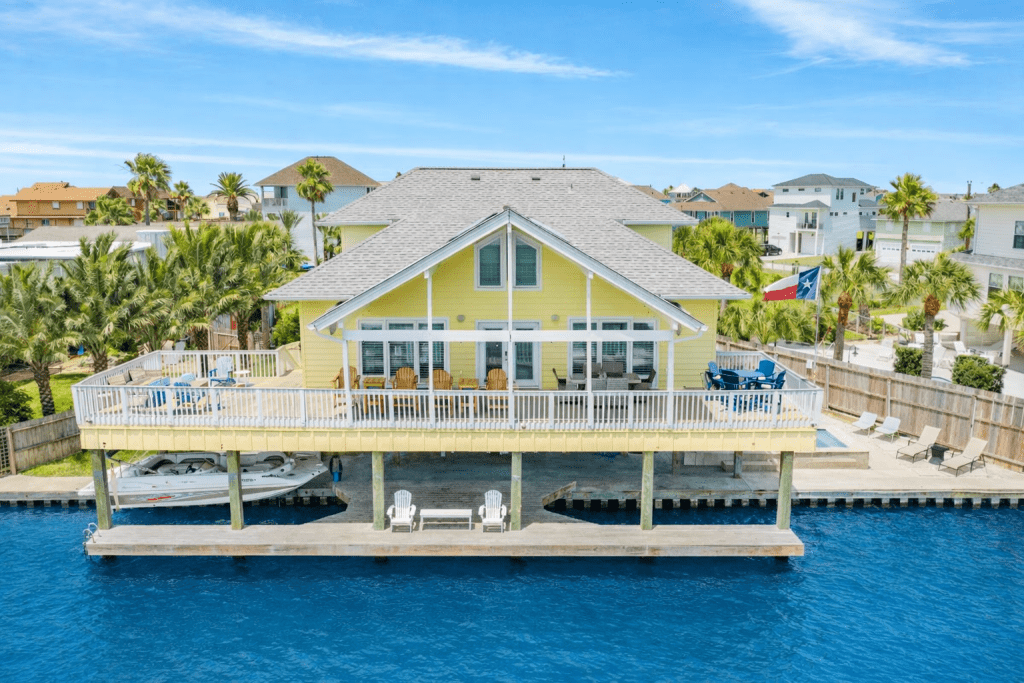
The West End is where Galveston shifts from historic density to open shoreline and bay access.
Here you’ll find:
Elevated beachfront homes facing the Gulf
Canal-front properties with private boat lifts
Master-planned communities
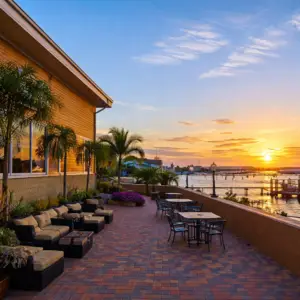
Bay-side retreats with sunset views
Life moves slower here. Conversations happen on docks. Schedules revolve around tide charts and sunsets.
Unlike the East End, the West End prioritizes space, water access, and relaxed coastal rhythm.
The West End isn’t polished or precious — it’s real, salty, sun-faded coastal living.
You’ll notice:
Golf carts and boat trailers
Dockside gatherings
Private fishing piers
Wide beaches with fewer crowds
Bigger skies and uninterrupted sunsets
This is Galveston for people who choose water over sidewalks.
Elevated homes, walk-to-sand access, strong second-home demand.
Private boat lifts, bay access, wide canals.
Architectural standards, community amenities, private access.
Many West End properties fall within FEMA A, AE, or VE zones due to coastal exposure.
VE zones carry additional wave-action risk.
Elevation height, pilings, and foundation type significantly impact insurance premiums.
Verify specific addresses via FEMA Flood Map Service Center (msc.fema.gov)
Flood insurance is typically required for federally backed mortgages in high-risk zones.
Even X zones (moderate/low risk) may still warrant coverage.
Windstorm insurance is required by lenders for most Galveston properties because standard homeowners policies exclude wind and hail coverage. Galveston County is in a state-designated Catastrophe Area, making TWIA the primary windstorm insurer for the island. While not required by Texas law for cash buyers, virtually all financed transactions require it.
Under Texas Insurance Code Section 2210.259, properties in FEMA V or VE zones built or substantially altered after September 1, 2009, must maintain active NFIP flood insurance to remain eligible for TWIA windstorm coverage. The two policies are legally linked for coastal high-hazard zone properties
Pricing varies by:
Beachfront vs canal vs bay-side
Elevation
HOA restrictions
Proximity to San Luis Pass
General ranges:
Inland beach communities: $500,000+
Canal-front homes: $700,000–$1.5M+
Beachfront properties: $1M–$3M+
Inventory fluctuates seasonally, especially for second-home demand.
West End dining skews casual, coastal, and sunset-oriented.
The West End is ideal for:
Second-home buyers
Retirees seeking coastal retreat
Boating enthusiasts
Families wanting beach access
Buyers prioritizing space and privacy
It may not suit buyers seeking walkability or urban access.
| Feature | West End | East End | Central Island |
|---|---|---|---|
| Primary Lifestyle | Waterfront & boating | Historic & cultural | Family & convenience |
| Architecture | Elevated coastal | Victorian historic | Ranch & traditional |
| Walkability | Low | High | Moderate |
| Beach Access | Direct | Short drive | Short drive |
| Flood Exposure | Higher coastal risk | Varies by elevation | Varies block-to-block |
| Best For | Second homes & retirees | Empty-nesters & professionals | Full-time families |
Some beach communities allow STRs; HOA rules vary by subdivision.
Yes, though many homes are second residences. There is a good mix of primary- and second-homes.
Many West End subdivisions have HOAs.
Approximately 15–25 minutes depending on location.
The West End isn’t about convenience — it’s about lifestyle.
If you’re considering beachfront or canal-front living, I’ll help you evaluate:
Flood insurance realities
HOA rules
Rental potential
Long-term value