
East End Historic District in Galveston, Texas
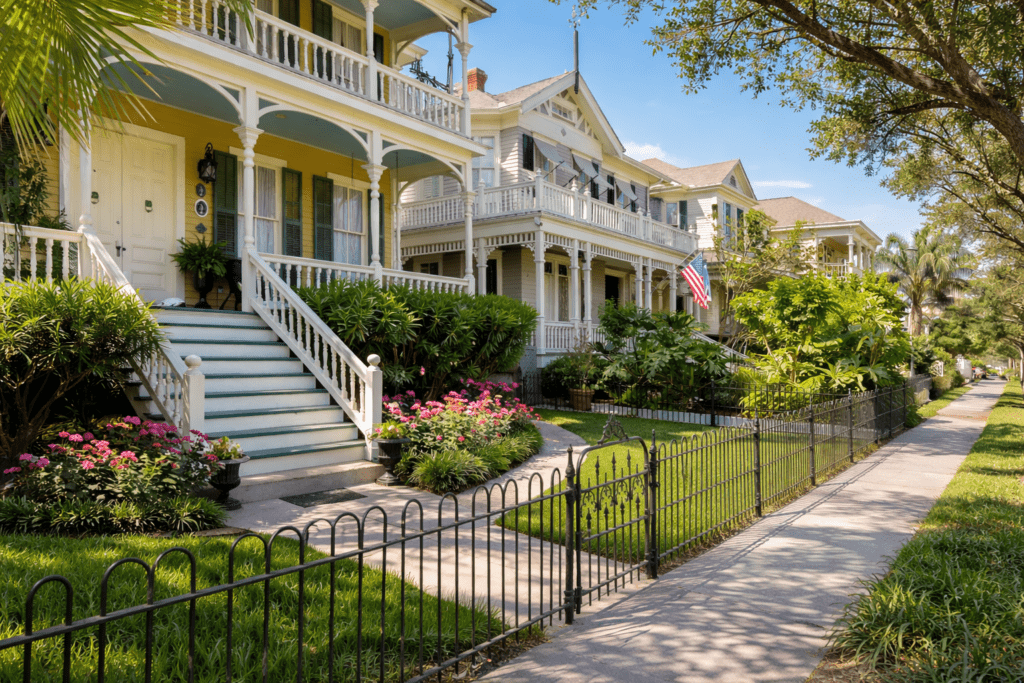
Tree-lined streets, Victorian architecture, front porches, and walkable access to downtown create a neighborhood rooted in history and daily life. This is not just one of the most recognizable neighborhoods in Galveston — it is the architectural heart of the island.
For buyers who value character, culture, and community, the East End offers something that newer developments simply can’t replicate.
The Vibe
The East End Historic District is defined by preserved Victorian homes, intricate gingerbread trim, deep front porches, and gardens that spill into the sidewalks. You’ll see neighbors chatting from porches, historic plaques marking homes that survived the 1900 Storm, and blocks that feel established rather than newly built.
Unlike beach communities that revolve around weekend energy, the East End moves at a steadier pace. It attracts:
Full-time residents
Professionals working at UTMB
Empty-nesters seeking walkability
Buyers who appreciate architecture and legacy
This is “old Galveston” — cultural, layered, and connected.
Location & Island Access
The East End sits just east of downtown and The Strand, making it one of the most walkable areas on the island.
From here you’re close to:
The Strand Historic District
Postoffice Street art galleries
Grand 1894 Opera House
UTMB Medical Branch
Seawall Boulevard beach access
Bryan Museum
East End Lagoon Nature Preserve
Broadway (Avenue J) runs nearby, offering direct east-west access across the island. The grid street system makes navigation simple.
If you want proximity to culture without living directly in festival traffic, this area balances both.
Sub-Neighborhoods Within the East End
The East End Historic District includes several distinct pockets:
San Jacinto / Lost Bayou
Quieter historic blocks with architectural variety and proximity to downtown and UTMB. Popular with families and professionals seeking culture without constant event activity.
Beachtown
Design-forward coastal homes on the far eastern edge of the island. Elevated construction, luxury finishes, and sustainability features appeal to high-end primary and second-home buyers.
Fish Village / Lindale Park
Authentic island neighborhoods with 1960s homes, cottages, and oversized lots. Close to UTMB and beaches, these areas attract young families and medical professionals.
Each area has its own rhythm — some more refined, some more practical — but all share East End proximity and heritage.
Home Styles & Typical Pricing
Homes in the East End range widely depending on:
- Historic designation
- Square footage
- Renovation level
- Elevation
- Proximity to downtown or the Seawall
Architectural styles commonly include:
- Victorian
- Greek Revival
- Colonial Revival
- Craftsman
- Raised coastal cottages
Because many properties fall within designated historic districts, exterior modifications may require review by the Galveston Landmark Commission. This preservation effort helps protect long-term character and value.
For current pricing trends and inventory levels, review:
Flood Zones & Insurance Considerations
As with much of Galveston, flood zones vary block by block in the East End.
Many properties fall within FEMA A or AE zones due to elevation and proximity to the harbor. Some streets may sit in lower-risk X zones depending on grade-raising history.
Before purchasing, buyers should:
Verify flood zone via FEMA Flood Map Service Center
Review elevation certificates (if available)
Understand windstorm insurance requirements
Historic designation does not automatically determine flood risk — each property must be evaluated individually.
Learn more:
Who the East End is Best For:
✔ Buyers who value historic architecture
✔ Empty-nesters seeking walkable culture
✔ Professionals working near UTMB
✔ Long-term residents who want rooted community
✔ Buyers comfortable with historic preservation guidelines
This neighborhood is less about weekend beach rentals and more about daily island living.
If you’re exploring second-home options, compare with:
Current Market Snapshot
The East End tends to attract buyers who are motivated by architecture and lifestyle rather than purely by price per square foot.
Because of limited inventory and historic significance, well-restored properties often generate steady interest. Seasonal fluctuations occur, but historic homes do not always follow the same demand patterns as beachfront properties.
To understand current conditions:
Which Island Area Fits Your Lifestyle?
| Feature | West End | East End | Central Island |
|---|---|---|---|
| Primary Lifestyle | Waterfront & boating | Historic & cultural | Family & convenience |
| Architecture | Elevated coastal | Victorian historic | Ranch & traditional |
| Walkability | Low | High | Moderate |
| Beach Access | Direct | Short drive | Short drive |
| Flood Exposure | Higher coastal risk | Varies by elevation | Varies block-to-block |
| Best For | Second homes & retirees | Empty-nesters & professionals | Full-time families |
Frequently Asked Questions About the East End Historic District
Is the East End Historic District in a flood zone?
Flood zones vary by block and elevation. Many properties fall within A or AE zones. Always verify a specific address before purchasing.
Are short-term rentals allowed in the East End?
Short-term rental rules vary by zoning and specific property regulations. Buyers should verify city requirements before planning rental use.
Do historic homes require special approvals for renovations?
Yes. Exterior modifications may require review by the Galveston Landmark Commission to preserve neighborhood character.
Is the East End good for full-time living?
Yes. Many residents live year-round and value the walkability and community feel.
How close is the East End to the beach?
Seawall access is typically just a short drive or bike ride away, depending on your exact location within the district.
Considering the East End?
If historic charm, walkable culture, and architectural character align with how you want to live in Galveston, the East End may be the right fit.
Describe your ideal day here — morning coffee on a front porch, an evening walk to dinner downtown, gallery openings on Postoffice Street — and we’ll determine whether this neighborhood matches your next chapter.